When you are responsible for a complex project, you recognize the precise moment when design changes status. Lines begin to generate tangible effects, formal choices turn into operational decisions, and the project enters the domain of consequences. Every dimension guides a fabrication process, every sequence affects timelines and coordination, every decision involves people who were not part of the original concept phase. At that point, the project gains weight. It moves beyond representation and becomes a structure that must hold.
Managing this transition requires keeping vision and reality aligned. What was conceived must continue to function as scale, context, and language evolve. The project grows and calls for continuity - a presence capable of maintaining direction while multiple variables move simultaneously. This is where design shifts from expression to responsibility.
In daily practice, you know that a project is not a linear chain of phases. It is a continuous flow moving through production, assembly, and on-site integration. It changes hands, it is interpreted, translated, and adapted to real constraints. Along this path, quality emerges from coherence over time rather than from individual decisions taken in isolation. When thinking remains connected to execution, decisions find order, information stays readable, and the process advances with clarity.
Here, responsibility takes on a specific meaning. It is not about control, but about continuity. Someone accompanies the project as it evolves, preserves its logic, and ensures its clarity for those who must build it. The project works because it is guided by a constant direction, even as complexity increases.
In this context, rigor becomes a tangible, operational quality. It is the ability to anticipate, coordinate, and translate. Anticipating how an element will be fabricated, installed, and integrated within its environment builds reliability across the entire process. When rigor runs through every phase, the project gains stability, work maintains rhythm, and teams operate with confidence.
Rigor makes the project governable. It turns complexity into an organized system capable of supporting timelines, responsibilities, and interdependencies while preserving coherence. In high-end yachting and complex interior systems, this rigor is what allows execution to match ambition.
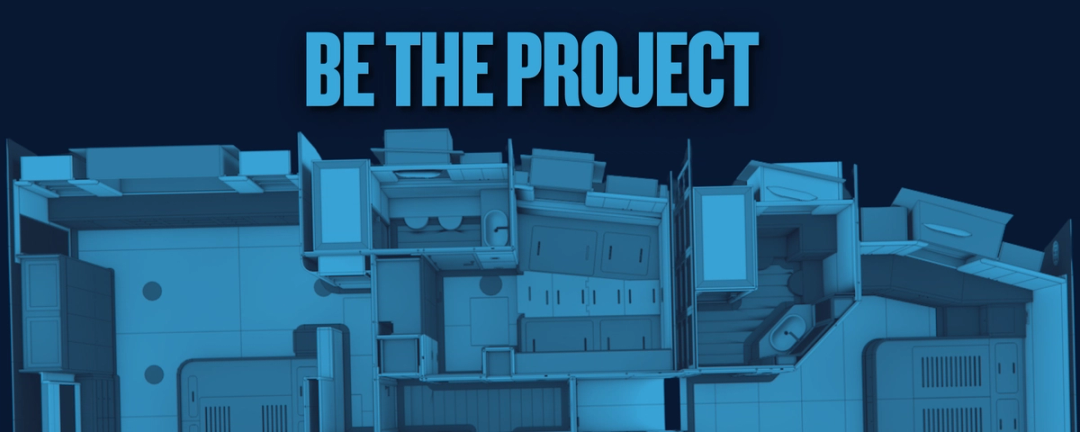
There comes a moment when a project no longer coincides with a set of drawings. It takes on a role within the process. It becomes a position that guides decisions, governs relationships, and preserves coherence as the project takes shape. Be the Project means occupying this position: maintaining direction, accompanying the transition from vision to reality, transforming initial intent into a solid, readable, shared structure.
In luxury yachting and complex furniture engineering, value is created precisely here. In the ability to embody the project across all its phases, safeguarding the original thinking as it becomes action, giving responsibility to decisions, and solidity to the entire process.
Along this path, beauty emerges as a natural consequence of what is right.
If, for you as well, a project is a continuous responsibility rather than a single phase, enter into dialogue with us: info@padproject.it


